
Construction Debris Removal Town 'N' Country
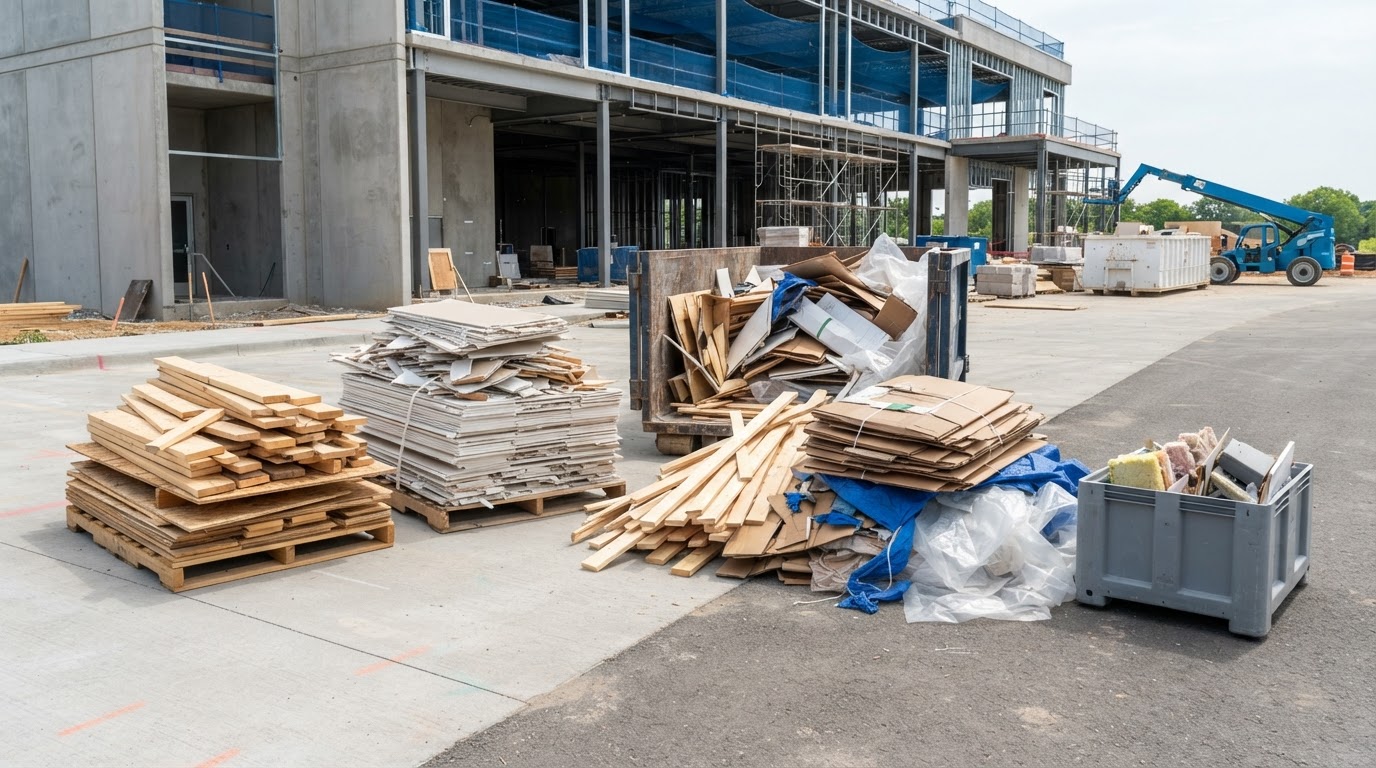
Construction debris removal in Town 'N' Country, Florida handles the hauling of suitable nonhazardous construction and renovation debris from residential and commercial projects. Clean Cut Property Solutions reviews these inquiries with attention to material types, volume, site access, and the acceptance restrictions that apply to building materials.
This page concerns debris removal—not the performance of the construction or demolition work itself. Describe the materials, the pile dimensions, and the site access, and we will talk through the scope honestly, without assuming that every construction material can go to an ordinary disposal facility.
Construction Debris Categories
Construction debris hauling covers a range of nonhazardous renovation and building materials. The categories below reflect common situations; whether a load can be accepted depends on material type, weight, and acceptance restrictions reviewed during the inquiry.
Home Renovation Debris
Wood offcuts, lumber scraps, drywall remnants, flooring scraps, cabinetry debris, trim materials, and packaging from residential renovation projects.
Contractor and Remodeling Waste
Nonhazardous mixed building debris from contractor and remodeling work, coordinated with site access and separation of restricted materials.
Heavy or Restricted Building Materials
Small quantities of appropriate masonry or heavy debris, subject to capability, with concrete, masonry, and suspected hazardous materials flagged for separate review.
Within construction debris removal, the materials potentially acceptable include wood offcuts, lumber scraps, drywall remnants, flooring scraps, cabinetry debris, trim materials, packaging, selected renovation waste, nonhazardous mixed building debris, and small quantities of appropriate masonry or heavy debris subject to capability. Each material is reviewed for type, weight, and acceptance.
It is worth distinguishing construction debris hauling from structural demolition. This page covers the removal of debris that already exists from a renovation or building project—not the performance of demolition work, which is covered by the light demolition service pages. If a project involves tearing out a structure, that is a separate conversation.
Concrete and masonry, painted or treated materials, and suspected asbestos-containing materials are flagged for separate review. We do not advertise asbestos removal or hazardous demolition debris disposal, and we do not assume that every construction material can go to an ordinary disposal facility.
Debris Hauling Coordination
A construction debris removal project follows a practical sequence: identify materials, estimate volume and weight, review site access, coordinate with contractors, and plan loading arrangements.
Identify Materials
Document the material types in the debris load—wood, drywall, flooring, packaging, masonry—and flag any restricted or potentially hazardous materials.
Estimate Volume and Weight
Estimate the approximate volume and weight of the debris, since density and weight shape what can be hauled and how it is loaded.
Review Site Access
Confirm the collection location, site access, and any property protection considerations needed during loading.
Coordinate with Contractors
Align with any contractor or remodeling work on site so the hauling fits the project schedule and does not interfere with active work.
Separate Restricted Materials
Separate restricted materials—concrete, masonry, painted or treated materials, suspected asbestos—from the general debris load before pickup.
Plan Loading
Plan the loading arrangements based on the debris piles, site access, and available equipment, confirmed during the review.
Photos of the debris piles help clarify the load—material types, pile dimensions, and approximate volume all shape the review. Nails, sharp materials, and dust are flagged so the loading can be planned safely, and property protection considerations are discussed where relevant.
We do not claim that Clean Cut supplies roll-off dumpsters or demolition equipment without verification. The available loading arrangements are confirmed during the review, and the plan reflects what is actually possible given the materials, site, and access. Permits or site restrictions, where relevant, are the customer's or contractor's responsibility to confirm.
Material Limitations & Estimate Factors
Construction debris estimates reflect the materials, weight, and site access—not a fixed price list. These factors shape the conversation about your project.
Debris weight and density, concrete and masonry, nails and sharp materials, dust, loading accessibility, material mixing, permits or site restrictions where relevant, painted or treated materials, suspected asbestos-containing materials, and hazardous substances all influence whether a load can be accepted. Heavy or dense materials are reviewed separately from general debris.
We do not advertise asbestos removal or hazardous demolition debris disposal. Suspected asbestos-containing materials and hazardous substances require appropriately qualified professionals, and we will say so plainly rather than implying they can be hauled as ordinary construction debris.
The estimate conversation reflects the actual materials, weight, and access. We do not guarantee a fixed price or completion window, and we do not assume that every construction material can go to an ordinary disposal facility. The focus is an honest review of what can be hauled and what needs separate handling.
Construction Debris Removal FAQs
Practical answers about material acceptance, heavy debris, hazardous materials, and what to expect when planning a construction debris load.
Discuss a Construction Debris Load
Share the material types, pile dimensions, approximate weight, photos, and property access so we can review the hauling scope. Prefer to talk it through? Call 813-857-6752.